

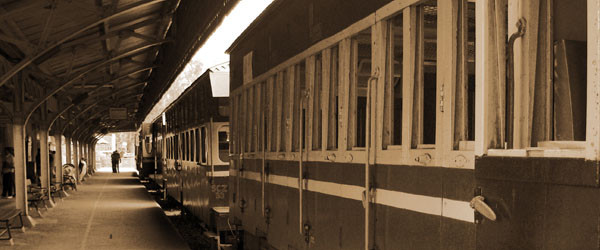
For the past five years, over 400 youth welcomed the New Year on a train circling around India. See why.
Read more →










Trending Stories
 Which Social Entrepreneurship Program Should You Choose?
March 6, 2013 5 Social Enterprise Incubators and Accelerators You Should Know About
October 3, 2012 5 Venture Philanthropy Fund and Networks to Check Out
March 12, 2013 5 inspiring graduation speeches by social entrepreneurs
May 30, 2013 Anti-Date Rape Straws, Cups, and More
February 21, 2013 29 Social Entrepreneurs to Attend WEF 2013 (Complete List)
January 21, 2013 16 Ways to Build a Social Enterprise That Makes Money
October 22, 2012 Illinois to become the second state to launch a 'social impact bond' program
April 9, 2013 Teaching Social Entrepreneurship
December 11, 2012 LGTVP builds its own pipeline of investable social enterprises
July 16, 2013


